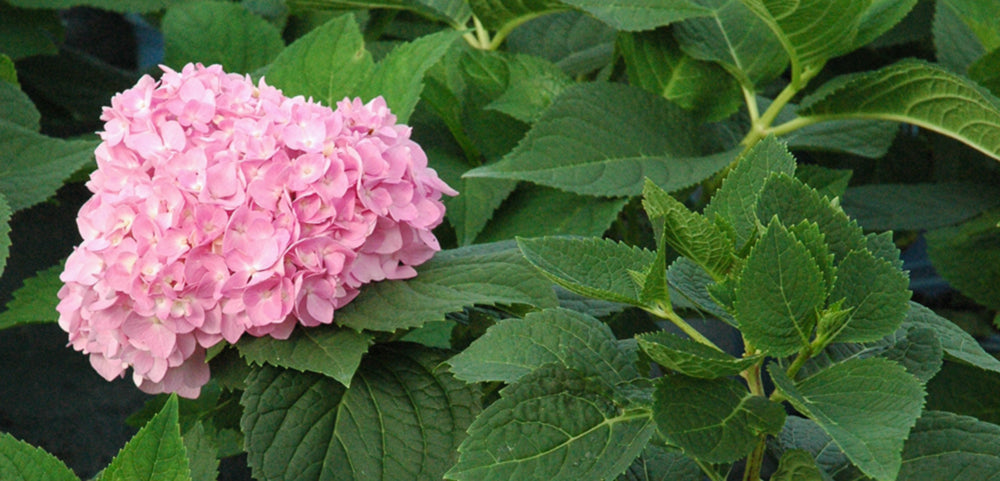
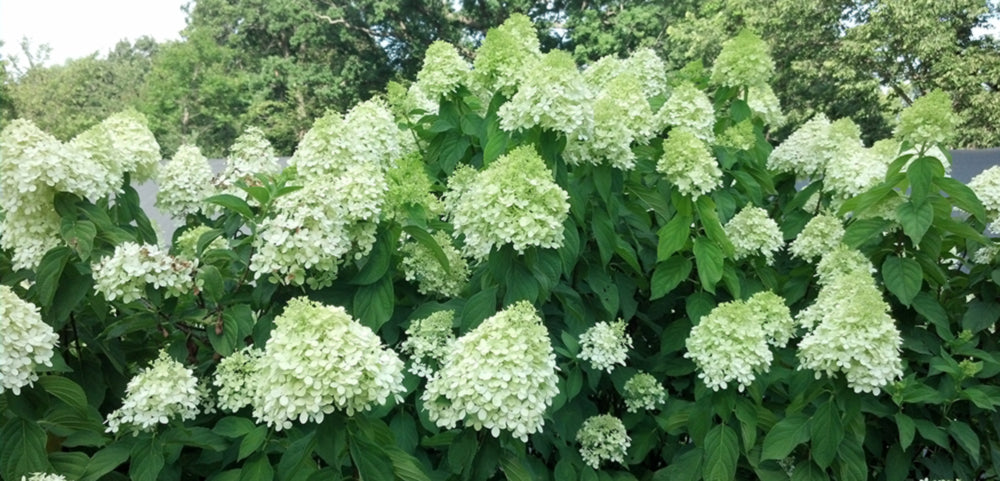
Hydrangea (Hydrangea macrophylla)
Hydrangea Plant Features
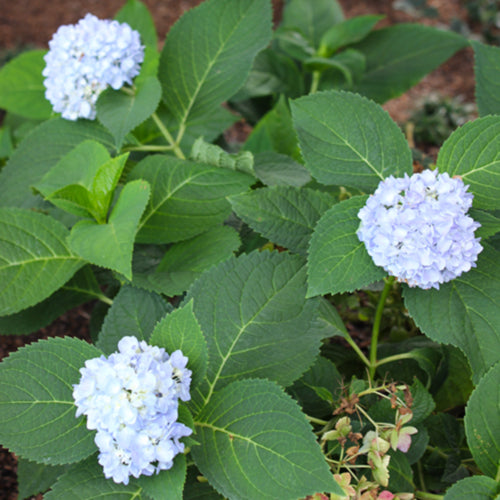
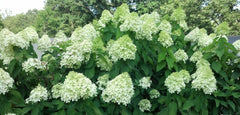
There's something almost magical about a hydrangea in full bloom, with its lush, full, pillow-like look. Endless Summer and other re-blooming hydrangea varieties offer the benefit of an extra-long bloom season because they flower on both new and old growth. This means you can enjoy flowers from June until frost. Use hydrangea in your flower border or mass them to create a low flowering hedge. Hydrangea will also look great in tubs and planters. These easy-care shrubs can grow 5 feet tall and wide. You can also clip hydrangea for fresh cut bouquets. Hardy from zones 4-9
Hydrangea Questions?
Email us and one of our flowering shrub experts will get back to you.
Hydrangea Questions?
Email us and one of our flowering shrub experts will get back to you.
Hydrangeas grow best in a spot that's sunny in the morning, but has some shade during the hottest part of the day. If the plant is growing in too much shade it won't have enough energy to bloom well, but grow it in too much sun and it will look constantly wilted in the hot afternoon sun. Hydrangea likes a rich, well-drained soil. Feed your shrubs with a slow-release granular fertilizer in the spring.
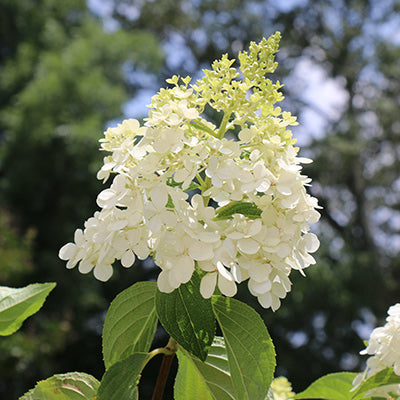
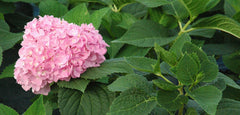
Many hydrangeas have flowers that respond in color to the pH of the soil. If you have acidic soil, the flowers will be more blue; if you have more alkaline soil, the flowers will be more pink. If you want to make your flowers blue add sulfur or aluminum sulfate; if you want your flowers to be pink, add lime. White hydrangeas cannot change color no matter what the pH. Prune hydrangeas right after the flowers fade.
Hydrangeas are not recommended for human or animal consumption.
-

Water
Medium water needs
-

Light
Outside: Part sun
-

Colors
Blue
Pink
White
-

Special Features
Attracts hummingbirds
Super-easy to grow


Complement your Plant
Azalea
Create a colorful shrub border with Azalea and Hydrangea.Astilbe
The feathery flowers of Astilbe and the ball-shaped blooms of Hydrangea are a great combination.Hosta
Large-leaved Hosta looks lovely planted alongside Hydrangea.