Some holiday plants get a bad rap that’s not their fault. While these plants aren’t good for your pets to ingest, the good news is that they’re also not as dangerous you might believe. Check out our list of holiday plants that cause more worry than they warrant:
Poinsettia (Euphorbia pulcherrima): Perhaps the most recognizable holiday plant, poinsettia is native to Mexico and instantly brings seasonal color to a home. It’s also one of the most widely misunderstood plants around.
Poinsettias have carried a lethal reputation for more than a century. One widely repeated story blamed a poinsettia leaf for the 1919 death of a 2-year-old child in Hawaii, but the connection was never confirmed. Once the claim appeared in print, it was repeated for decades as a warning about poinsettias. “May irritate” became “deadly,” even though the evidence never supported that leap.
The truth sits between panic and “perfectly safe.” The ASPCA lists poinsettia as toxic to cats and dogs because its milky sap may irritate the mouth or stomach and sometimes cause vomiting. The ASPCA also describes poinsettia toxicity as generally overrated, and its professional guidance says animal studies haven’t supported the plant’s lethal reputation.
That doesn’t make poinsettia pet-friendly or something pets should chew. Keep the plant out of reach, clean up fallen leaves or broken bracts, and contact your veterinarian or the ASPCA Animal Poison Control Center at (888) 426-4435 if an exposure concerns you.
If you think your pet has chewed or swallowed any part of a holiday plant, remove access to the plant and contact your veterinarian or the ASPCA Animal Poison Control Center at (888) 426-4435. Have the plant name, the animal involved, which plant part may have been eaten or touched, and any signs you’ve noticed ready when you call. A consultation fee may apply.
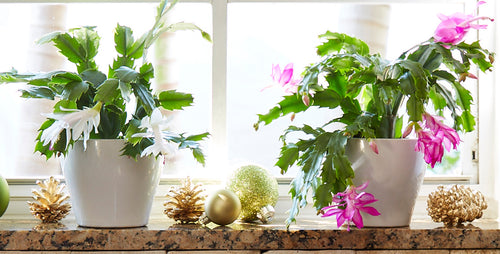
Christmas cactus (Schulumbergera truncata): Another common holiday plant that has an undeserved reputation, it can cause some hypersensitivity if the sap touches your skin, but all that has been seen in dogs are mild clinical signs such as vomiting, diarrhea, anorexia, and depression.
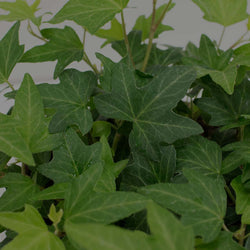
Holly (Ilex aquifolium): Just like with poinsettia, only mild stomach upset is expected in dogs and cats. In addition to vomiting and diarrhea, anorexia, lip-smacking, and head-shaking may be seen. If a large amount of holly is ingested, a foreign body obstruction may occur, as the leaves tend to be hard and sharp, and irritating to the stomach.
Mistletoe (Phoradendron flavescens): Despite the variety of potentially toxic components in mistletoe, serious poisonings are not frequent. The most common clinical signs when ingested by a dog are depression and vomiting. It’s also important to note that most commercially purchased mistletoe has plastic berries.
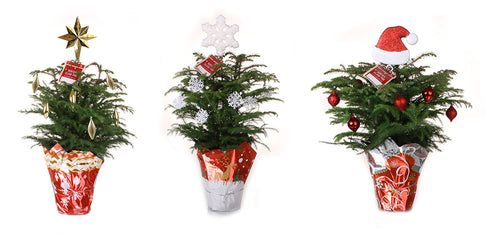
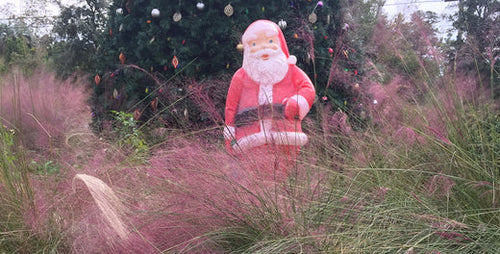
Christmas trees (including pines and firs): Christmas trees are not toxic to pets, but be wary of any preservatives that may be used in the water. Preservatives used today generally contain small amounts of fertilizer and may cause mild vomiting and diarrhea if ingested. Don’t forget to keep tinsel and other decorations away from your pets, as well.
Rosemary (Rosemarinus officinalis): Rosemary is not considered to be toxic to dogs or cats, and it adds beauty to any holiday décor. Like many herbs, a mild upset stomach can result after significant ingestion.
If you think your pet has ingested a potentially toxic plant, please contact your veterinarian or the ASPCA Animal Poison Control Center at 888.426.4435. The ASPCA was founded in 1866 and is a non-profit organization devoted to ensuring the kind and respectful treatment of animals. Its Animal Poison Control Center (APCC) is a resource available 24 hours a day, 365 days per year.